

In 2021, Ghana’s Auditor-General reported GH¢17.48 billion in financial irregularities across public institutions. That figure – a 36% increase from the previous year – included unsupported payments, unaccounted revenue, and procurement lapses.
This wasn’t about a single ministry or one bad year. It reflected a deeper, structural issue: the absence of reliable systems to manage and monitor public spending.
And this problem isn’t isolated. In Nigeria, the national school feeding program couldn’t verify how many of the 9 million pupils actually received meals. In Cameroon, over $335 million in COVID-19 emergency funds went unaccounted for.
What links these failures? Not just missing paperwork – but missing infrastructure. No central systems. No real-time visibility. No audit trails. And in that vacuum, something else takes over.
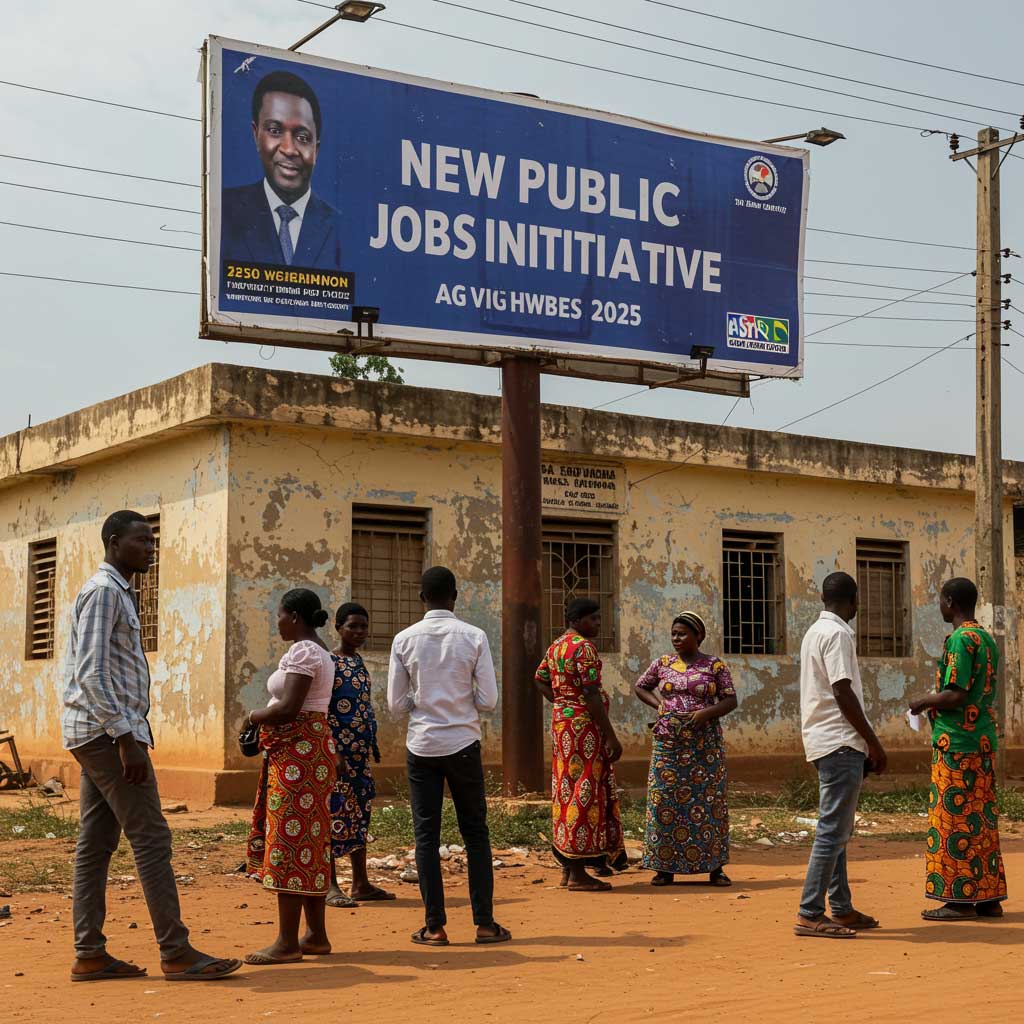
When There’s No System, Speeches Take Over
In the absence of robust platforms and verifiable data, governments default to performance.
Announce the initiative. Launch the headline. Allocate the budget.
But behind the curtain, there’s no operational capacity to track beneficiaries, no tools to monitor spending, and no mechanisms to validate outcomes.
We’ve seen this repeatedly:
– Projects are announced before eligibility criteria are even mapped.
– Procurement starts before workflows are digitized.
– Monitoring frameworks are promised but never implemented.
This isn’t about political will. It’s about systems failure. And it’s costing African governments billions in leakage, friction, and unrealized outcomes.
Maven Doesn’t Speculate. We’ve Built the Systems.
We don’t theorize about system failure. We see it firsthand and we build what’s missing.
At Maven Dynamics, our platforms are used by ministries, regulators, state agencies, and local governments to restore visibility, control, and performance in public operations.
Our solutions aren’t generic tools. They’re full-scale infrastructure, designed for the complexity of public finance, regulation, and service delivery in Africa’s real-world conditions.
Civis 360: Rebuilding the Foundations of Identity
Civis 360 is our civil registry platform built to digitize these core records with security, traceability, and interoperability. It’s already helping government institutions replace fragile manual logs with structured, verifiable data; unlocking access to health, education, voter registration, and beyond.
Maven RMS: Making Local Revenue Visible
With Maven Revenue Management System (RMS), we replaced informal cash collection and handwritten receipts with a platform purpose-built for district operations. Mobile POS tools feed directly into a cloud-based backend. Offline-first design ensures collectors operate even without internet. Finance teams get real-time dashboards showing revenue collected, gaps, and trends.
Purlieu: Digital Infrastructure for Ghana’s Event Economy
Purlieu is Maven’s smart event discovery and ticketing platform. More than a sales tool, it’s a data engine helping government venues and cultural spaces optimize pricing, manage attendance, and reduce fraud.
Governis: Portfolio Visibility for National Capital
Governis Portfolio Suite gives finance ministries, sovereign funds, and DFIs a unified platform to track capital allocation, project progress, ESG milestones, and utilization metrics, in real time.
Risk Toolkit: Turning Oversight into Insight
Our Risk Toolkit helps regulators and internal auditors move from passive reporting to proactive risk detection. It provides real-time scoring, behavioral triggers, and risk heatmaps – so institutions don’t just know what went wrong, but why and where it’s headed.
Petroleum Sector System: Bringing Regulation to the Downstream
We’re building a dedicated platform for regulators and operators to manage licensing, product movement, pipeline discharge, jetty operations, and compliance in a unified system.
The Real Difference: We Build for How Africa Works
Every product we develop is grounded in the same design principles:
– Offline-first
– Modular architecture
– Frontline usability
– Real-time visibility
Conclusion: The Real Cost of Bad Data Is Powerlessness
Bad data doesn’t just hurt efficiency. It kills visibility, erodes trust, and leaves leaders blind. But this isn’t inevitable. African governments don’t lack vision, they lack infrastructure.
That’s what Maven builds. Systems that let public institutions measure what matters, act faster, and account for every decision they make.
Because when systems work, everything else follows.